March 16th, 2023

GLP-1 weight loss medications have taken society by storm, driven by rapid results and the confidence boost many users report experiencing. Originally developed to treat type 2 diabetes, Glucagon-like peptide-1 receptor agonists (GLP-1s or GLP-1RAs) are medicines that mimic a natural hormone released after eating to help people feel fuller1.
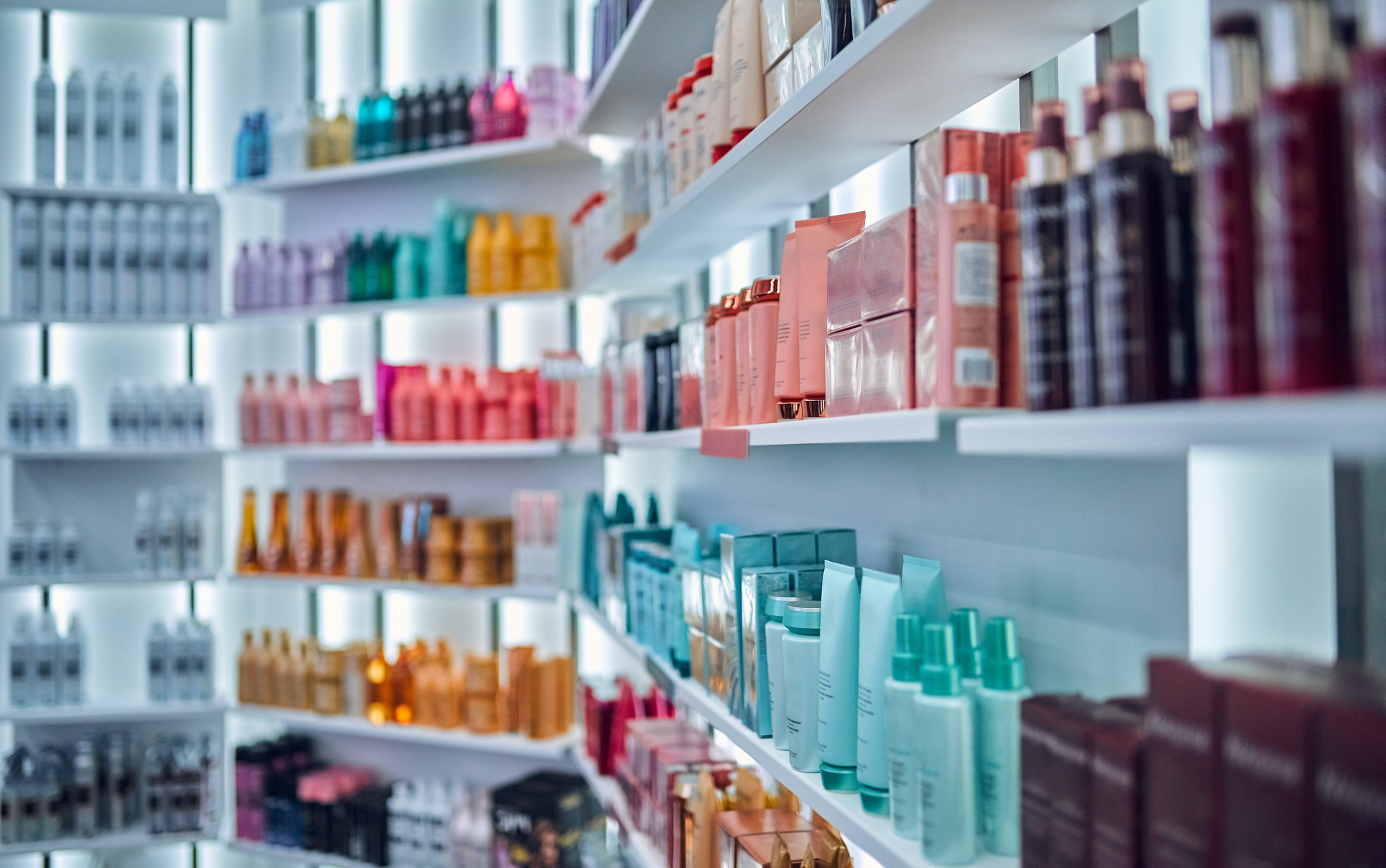
These treatments have since moved beyond the clinic and into the mainstream, becoming widely accessible to those seeking to lose weight and rethink how they manage it long term. With such cultural and commercial shifts since the uptake of GLP-1s (like Ozempic and Mounjaro), it brings to light a whole new market for the Cosmetics and Personal Care industry, spanning categories from skincare, haircare and even fragrance.
So, let’s take a look at the demand and market growth of GLP-1’s, the effects and concerns around the medication, and how we can begin to explore new ways to formulate to meet the needs of those on a GLP-1 medication journey.
As a growing market, GLP-1 drugs in the UK have ‘nearly doubled over the past year’, with current data showing the usage is ‘around one in ten consumers, concentrated particularly among women in midlife’2 according to recent reports by the British Beauty Council and WGSN.
Research published in BMC Medicine shows that ‘3.3 million people said they would be interested in using weight-loss drugs over the next year’.3 Reports from Carat, also stated ‘a staggering 90% of GLP-1 users report feeling greater control over their health’4.
As uptake continues to rise, conversations around GLP-1s are becoming increasingly normalised. More consumers are taking health and weight management into their own hands, driving a significant cultural shift and creating entirely new opportunities for brands to connect with evolving consumer needs.
Although there are positive outcomes such as weight loss and confidence-boosting effects, it can also come with potential side effects for many users. Something our industry is only just beginning to address with recent product lines.
Reports include hair thinning and shedding, scent sensitivity, hydration loss, muscle loss, and even ‘Ozempic Face ’-a non-medical term used to describe the sagging, wrinkled, or hollowed skin (particularly on the face and neck)5 caused by rapid loss of subcutaneous fat. This opens up an array of concerns that users want to address.
According to McKinsey & Company, 82% of people in the US taking GLP-1s report concerns about skin laxity, while 51% are worried about overall skin quality and 48% about facial fullness6.
This allows for a new dialogue between consumers and brands, addressing these concerns and formulating products that soothe, firm and tighten during GLP-1 medication and after.
As this category evolves, formulators have an opportunity to create targeted products that address the specific concerns associated with rapid weight loss and GLP-1 use.
In skincare, brands can focus on addressing facial volume loss, dehydration and texture changes commonly associated with rapid weight loss.
Products like Volu.U.Lift7 developed by a plastic surgeon, helps to target skin changes linked to GLP-1 treatments. This formulation blends hyaluronic acid, bakuchiol (a gentler alternative to retinol), biomimetic collagen fibres, and amino acids. Together, these ingredients work to improve skin texture and help restore lost volume.
For addressing specific concerns like the ‘Ozempic Face’, we’ve seen products such as ‘SkinCeuticals A.G.E. Interrupter Ultra Serum’9 which is a high-concentration, strengthening serum designed to counteract skin sagging, loss of firmness, and crepiness.
For body care, think about ingredients and formulations that lift, firm and tighten the skin.
For example, the US Dermalogica9 brand has its very own ‘Dynamic Skin Sculptor’, a firming and tightening body serum perfect for lifting, toning and smoothing skin on areas like the arms, thighs and abdomen (which uses a Pro-NAD+ complex).
Of course, many users will take a holistic approach to their body care, looking beyond just cosmetics. Alongside cosmetic products, users are incorporating rituals such as body brushing, lymphatic drainage and daily beauty device use, including LED light masks.
This means brands do not necessarily need to create a product that “does it all”. Instead, there is an opportunity to focus on niche concerns and develop formulations that work in tandem with these wider wellness practices and technologies.
Hair loss has become one of the most discussed concerns linked to GLP-1 medications. Online searches and hashtags such as #glp1hairloss on platforms like TikTok have increased by +665% over the last 12 months, according to WGSN.²
While there is still debate around whether hair shedding is caused directly by the medication or by rapid weight loss itself, consumers are actively seeking products that strengthen and protect both the scalp and hair, placing hair longevity at the centre of their needs.
Brands like Hair + Me 10–a popular patient-consumer model- are favoured for their tailored prescriptions and products that promote hair growth that’s thicker and fuller. Perfect for those users suffering from hair loss.
The Ordinary11 also has a multi-peptide serum for hair density and scalp support for thicker and fuller-looking hair. Combining ingredients like Redensyl and high-solubility caffeine to enhance the look of hair density.
A common shift, as consumers become more ingredient literate, is the need for both clinical efficacy and emotional insight. With such highly sensitive subjects as hair loss, brands will need to speak to their consumers with clinical confidence, understanding and emotional intelligence to capture and connect with them.
GLP-1 drugs may also alter how users experience pleasure, particularly through taste and scent. For some consumers, this creates a desire to seek sensory joy in other ways, while others may avoid fragrance altogether due to nausea, aversions and heightened scent sensitivity.
This creates a brand-new design challenge for brands, such as lower-scent options for these consumers, or even the start of the ‘no fragrance, fragrance’.
One example is Soothing Scents, a company offering essential oil inhalers designed to calm, comfort or energise the body through aromatherapy on the go. Their QueaseEASE12 aromatic inhaler is designed to help reduce queasiness and support patients’ post-surgery and post-discharge. Similar anti-nausea concepts could become increasingly relevant in future GLP-1-focused formulations.
Changes in appetite and the need to find sensorial joy alternatives have also given rise to more elevated gourmand and neo-gourmand scents in fragrance. Transitioning from the once sugary scents to more unexpected, savoury or fresh elements.
We may begin to see more notes such as smoky tobacco, green herbs, salty accords and matcha appearing across fragrance categories. Deodorant brand Fussy recently launched a “Vanilla Matcha”¹² scented deodorant stick, highlighting how unusual and more complex scent pairings are becoming increasingly mainstream in this new era.
As the GLP-1 market continues to grow, so do the opportunities for brands to create formulations that directly address user concerns while supporting evolving wellness behaviours and beauty expectations.
From skincare and body care to haircare and fragrance, this shift presents a chance to expand product lines, speak directly to emerging consumer needs and develop solutions that balance efficacy, sensorial experience and emotional connection.
So we can see there are lots of opportunities and trends to formulate within the GLP-1 era, that address user concerns and expand product lines to talk directly to these audiences and their needs.
If you need help with your next project - whether it’s trending ingredients, technical advice on your formula or support with a new brief, please get in touch with one of the team at Adina, and we’d be happy to help.
References –
1 Gov.uk – GLP-1 Medications for weight-loss, what you need to know.
3 UCL news
4 Carat – Consumer Generation GLP-1
5 Ozempic Face – Superdrug – Online Doctor.
8 Dermalogica Dynamic Skin Sculptor
9 SkinCeuticals A.G.E. Interrupter Ultra Serum
10 Hair and Me
11 The Ordinary – Multi-Peptide Serum
12 Soothing Scents - QueaseEASE
13 Fussy – Vanilla Matcha Deodorant
March 16th, 2023
March 16th, 2023
March 16th, 2023

October 2nd, 2023